Short Answer
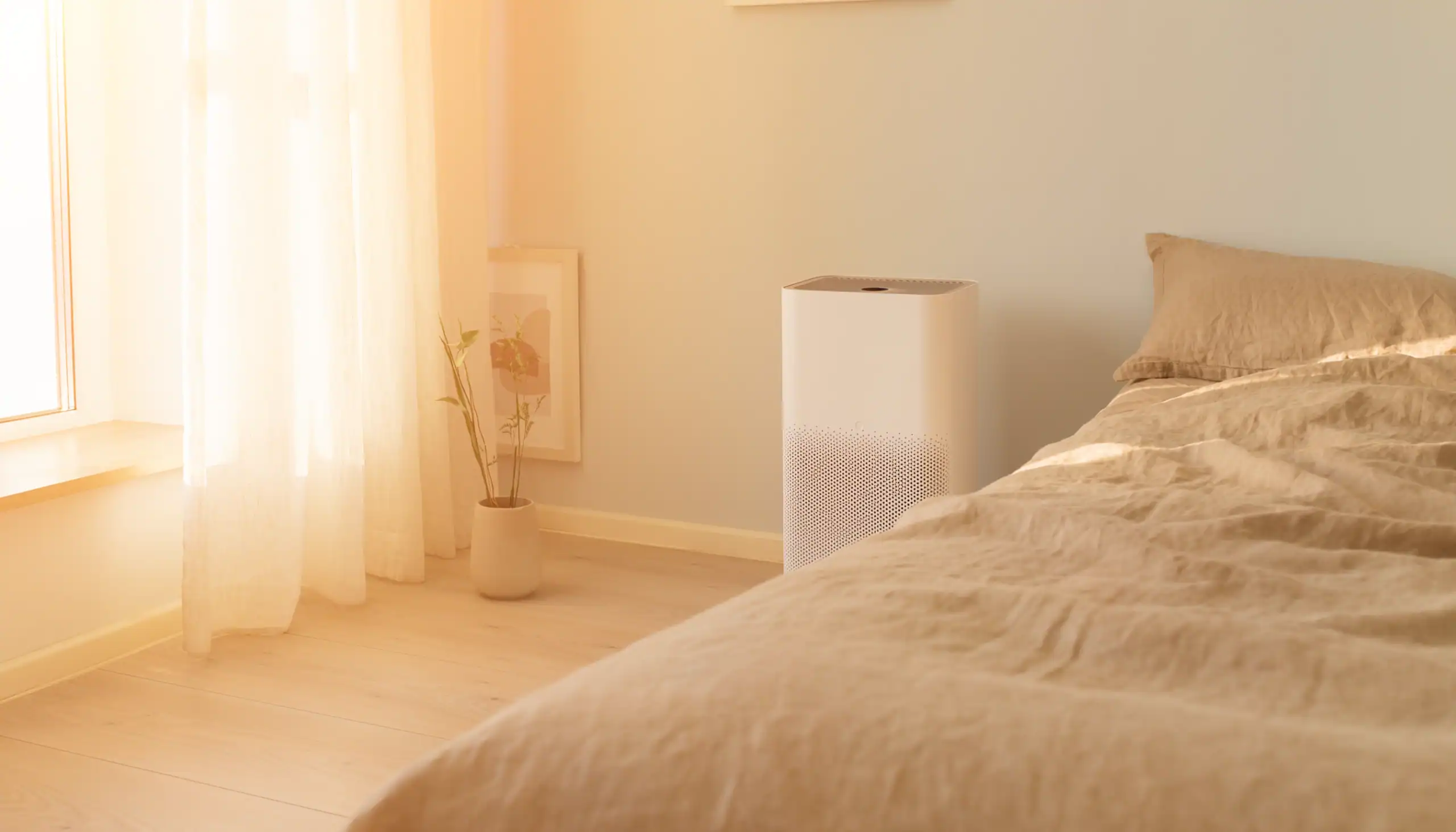
An air purifier makes sense when ventilation is limited, outdoor air quality is poor, or someone in your home is sensitive to dust, allergens, or fragrance. For us as parents, the goal isn’t to own another device—it’s to support clean, comfortable air in the spaces where our families spend the most time.
Why This Matters for Us as Parents
Indoor air is one of the most consistent exposures inside any home. We don’t interact with it occasionally—we breathe it continuously.
That’s why air quality often comes up early in low-toxic living conversations.
But here’s where things get confusing: air purifiers are marketed as essential. As if every home needs one running in every room at all times.
The truth is calmer.
Air purifiers are tools. Sometimes helpful. Sometimes unnecessary. It depends on your home, your climate, and your family’s sensitivities.
If you’ve already read what does “low-toxic” mean in your home, you know that repetition matters more than isolated events. Air is a repetition exposure. So evaluating air quality through that lens makes sense.
The key question becomes: does your home need extra support beyond ventilation and normal cleaning?
What to Know (The Basics)
Indoor air quality is influenced by:
- Ventilation (windows, airflow, cross-breeze)
- Outdoor air quality
- Cooking habits
- Cleaning habits
- Fragrance use
- Dust accumulation
- New materials that may off-gas temporarily
Understanding where home exposure actually happens helps clarify that air is a background layer affecting every room, especially bedrooms and living areas.
An air purifier works by drawing air through filters that capture particles such as dust, pollen, pet dander, and sometimes smoke. Some models also address odors or certain gases.
But they don’t eliminate everything. And they don’t replace ventilation.
Clear Subsections
1) When Ventilation Isn’t Enough
The simplest air quality tool is airflow.
Opening windows, creating cross-breeze, and using exhaust fans during cooking can dramatically improve indoor air. In many homes, that’s enough.
However, some homes are tightly sealed for energy efficiency. In those spaces, air may circulate less naturally. If opening windows isn’t practical due to weather, noise, safety, or pollution, a purifier can help circulate and filter indoor air.
For us as parents, bedrooms are often the most logical starting place because sleep is high-duration exposure.
2) Outdoor Air Quality Concerns
In some regions, wildfire smoke or seasonal pollution affects outdoor air.
During those periods, opening windows may not be helpful. In those situations, keeping windows closed and running a purifier can reduce indoor particle levels.
This doesn’t have to be a permanent setup. It can be seasonal or situational.
3) Allergies and Respiratory Sensitivity
If someone in your home experiences:
- Seasonal allergies
- Asthma
- Dust sensitivity
- Fragrance sensitivity
Reducing airborne particles may provide relief.
An air purifier can reduce dust and pollen circulating indoors, especially in bedrooms. Combined with consistent cleaning and ventilation when possible, this can make a meaningful difference in comfort.
4) Homes With Pets
Pets bring warmth and joy—and dander.
Vacuuming regularly helps, but fine particles can still remain airborne. An air purifier in high-traffic areas may support cleaner-feeling air in pet-friendly homes.
Again, it’s not about eliminating all particles. It’s about reducing load where repetition exists.
5) After Introducing New Materials
When you bring new furniture, rugs, or freshly painted items into your home, you may notice a temporary increase in smell.
That smell often relates to off-gassing. Understanding VOCs (without the fear) helps explain that this process usually decreases over time.
Ventilation is the first response. But in spaces where airflow is limited, temporary use of an air purifier may help during that initial period.
6) When an Air Purifier May Not Be Necessary
There are many homes where:
- Windows can be opened regularly.
- Outdoor air is clean.
- Fragrance use is minimal.
- Cleaning is consistent.
- No one has respiratory sensitivities.
In those homes, airflow and maintenance may be enough.
7) Size and Placement Matter
If you decide to use one, placement matters more than aesthetics.
High-duration rooms—like bedrooms—often make the most sense.
Running one in a closed room may be more effective than placing it in a large open area and expecting it to serve the whole home.
It’s also important to change filters on schedule. A purifier with an old filter won’t function as intended.
Common Myths or Misconceptions
- “Every low-toxic home needs multiple air purifiers.”
- “If I have a purifier, I don’t need ventilation.”
- “Air purifiers remove all pollutants.”
- “More expensive always means more effective.”
- “If my home smells neutral, the air is perfect.”
Air quality is influenced by habits as much as hardware.
Ventilation, reducing constant fragrance, and consistent cleaning often matter just as much as equipment.
How We as Parents Can Approach This Safely
If you’re evaluating whether an air purifier makes sense, consider:
- Can you open windows regularly?
- Is outdoor air quality consistently good?
- Does anyone in your home have sensitivities?
- Does your home feel stale or heavy?
- Are you introducing new materials into enclosed rooms?
Start with airflow. Then evaluate need.
If you choose to use one, place it in high-duration rooms and maintain it properly.
And if you’re unsure how to prioritize air within the broader picture, what matters most (and what matters less) in your home can help you evaluate whether air should come before other upgrades.
Before investing in an air purifier, reducing the sources that affect indoor air quality tends to have a more direct impact. Cleaning products sprayed into the air and fragranced laundry detergents are two of the most consistent contributors in most homes. Our guide to non-toxic cleaning products covers the fragrance-free options that don’t add to indoor air load, and our guide to non-toxic laundry detergent addresses one of the most frequently used household products in the same category.
Final Takeaway
An air purifier makes sense when ventilation is limited, outdoor air quality is poor, or someone in your home has sensitivities. For us as parents, it’s not about collecting devices—it’s about supporting breathable, comfortable air where our families spend the most time. Air quality is part of the picture, but calm, steady habits are the foundation.
