Short Answer
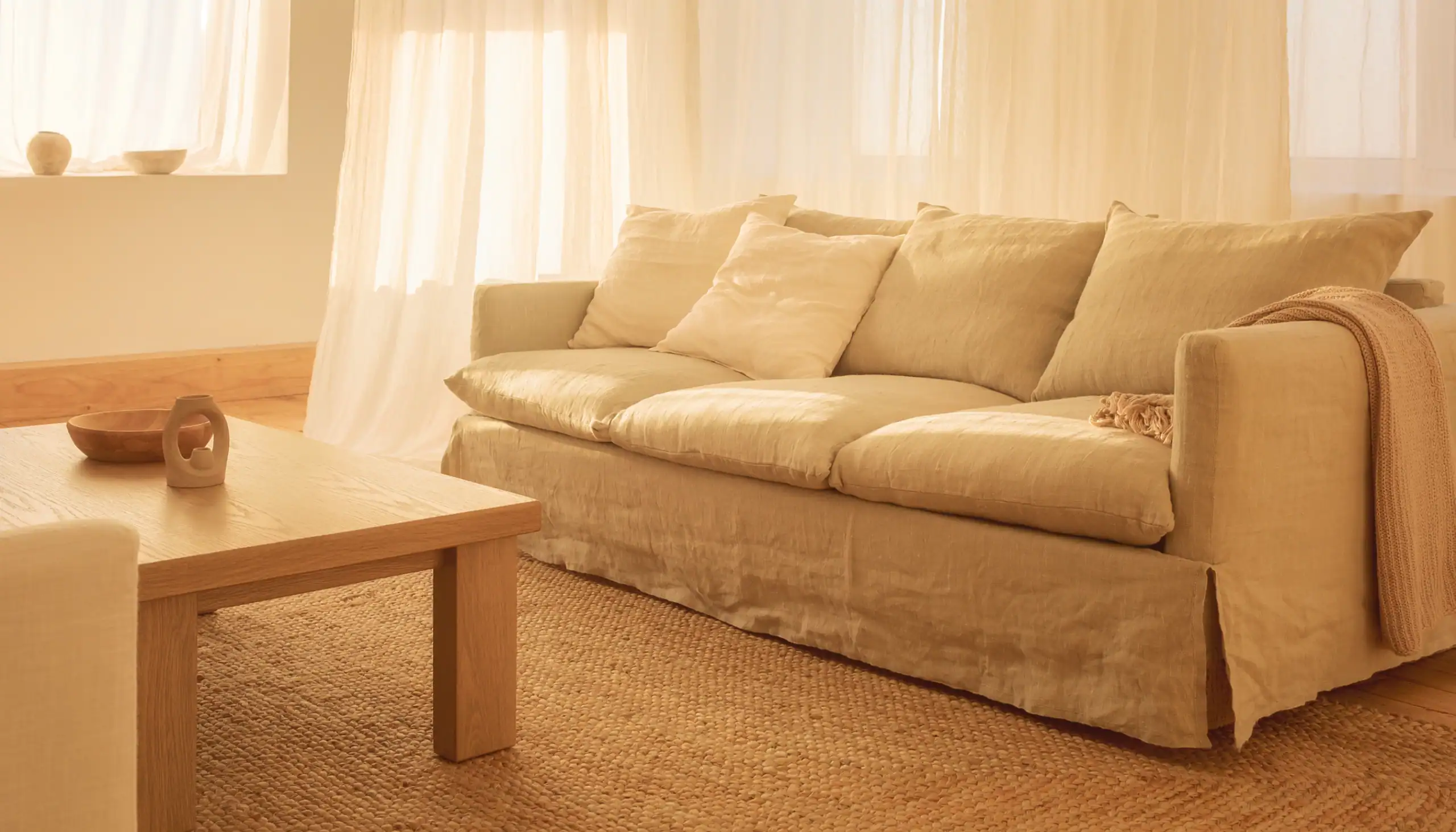
Couches, rugs, and upholstered furniture can influence indoor air and dust levels, especially when new or heavily used. For us as parents, the focus isn’t on replacing everything—it’s on understanding long-contact surfaces and improving airflow, cleaning habits, and future purchasing decisions.
Why This Matters for Us as Parents
Soft furniture doesn’t usually trigger alarm bells.
It looks cozy.
It feels safe.
It holds family movie nights and afternoon naps.
But upholstery, rugs, and soft furnishings are high-contact and high-duration surfaces. Children sit, roll, crawl, and nap on them. Adults sink into them after long days.
Because of that proximity and repetition, they quietly shape our indoor environment.
If you’ve read where home exposure actually happens, you know that soft surfaces play a larger role than we often assume—mostly because they hold dust and are used daily.
This isn’t about panic. It’s about clarity.
What to Know (The Basics)
Soft furnishings can influence your home in three primary ways:
- Dust accumulation
- Off-gassing when new
- Long-contact exposure
Dust naturally settles into fabrics and fibers. Rugs and upholstery can trap particles that become airborne when disturbed.
New upholstered items may also off-gas temporarily, especially if made with synthetic foams or adhesives.
Understanding VOCs (without the fear) helps clarify that this effect is usually strongest when items are new and decreases with ventilation and time.
Clear Subsections
1) Dust and Fiber Retention
All soft surfaces collect dust.
This includes:
- Skin cells
- Outdoor particles
- Pet dander
- Fabric fibers
Regular vacuuming (especially with HEPA filtration if available) and washing removable covers can significantly reduce dust load.
For us as parents, consistency matters more than perfection.
2) New Furniture and Temporary Off-Gassing
If you’ve ever noticed a “new couch smell,” that’s often related to materials releasing small amounts of VOCs.
The practical approach:
- Ventilate the room.
- Open windows when possible.
- Allow airflow.
- Avoid placing brand-new furniture immediately in small, unventilated sleep spaces.
Time typically reduces odor and airborne concentration.
3) Children and Floor-Level Exposure
Children spend more time at floor level than adults.
That makes rugs and floor cushions higher-duration zones for them.
This doesn’t mean rugs are harmful. It means cleaning frequency and material awareness matter more than aesthetics alone.
4) Flame Retardants and Fabric Treatments
Some upholstered furniture may include flame-retardant barriers or stain-resistant treatments.
Regulations and standards vary by region and manufacturer.
Low-toxic living doesn’t require memorizing chemical lists. It encourages asking simple questions during future purchases and prioritizing long-contact pieces.
5) When Replacement Makes Sense
Replacement may make sense when furniture is:
- Significantly deteriorated
- Shedding foam or fabric
- Difficult to clean
- Causing discomfort or allergies
But replacing functional furniture out of fear rarely aligns with the calm approach described in what does “low-toxic” mean in your home.
Common Myths or Misconceptions
- “All upholstered furniture is toxic.”
- “Natural fabrics are automatically perfect.”
- “Older couches are always worse than newer ones.”
- “If I can’t replace it, I’m stuck.”
Soft furnishings are part of normal home life. Maintenance and ventilation often matter more than immediate replacement.
How We as Parents Can Approach This Safely
- Vacuum rugs and upholstery consistently.
- Wash removable covers regularly.
- Increase ventilation when introducing new items.
- Prioritize sleep surfaces first if upgrading.
- Replace items gradually as they wear out.
If prioritizing feels overwhelming, what matters most (and what matters less) in your home can help keep decisions balanced.
One of the most straightforward ways to reduce what accumulates in soft furnishings is frequent washing of removable covers, cushion covers, and throw blankets. What that laundry is washed in matters just as much as how often it’s washed — fragrance in laundry detergent transfers directly to fabric and stays there. Our guide to non-toxic laundry detergent covers the fragrance-free options that clean effectively without re-introducing synthetic scent compounds to the fabrics your family spends the most time in contact with.
Final Takeaway
Couches, rugs, and upholstery are high-contact, high-duration surfaces that influence dust and indoor air—especially when new. For us as parents, regular cleaning, ventilation, and thoughtful upgrades over time are usually enough to create a comfortable, supportive home environment.
